Butterfly Embroidery Design Review
As an embroidery designer who spends countless hours testing files before adding them to a commercial collection, I approach every new download with a mix of excitement and skepticism. When I first pulled up the Butterfly design from Creative Fabrica, I wasn’t just looking for another pretty bug; I was evaluating its potential as a revenue-generating asset for my own handmade shop. The description promises a stunning butterfly with floral details, and after running several test stitches on various fabrics, here is my honest breakdown of how this machine embroidery design performs in real-world scenarios.
First Impressions and Visual Appeal
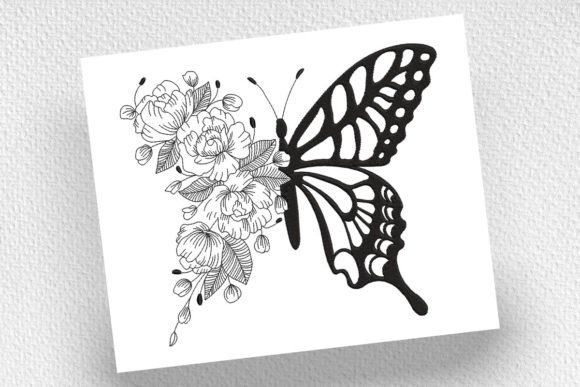
The immediate draw of this embroidery file is its aesthetic balance. It isn’t overly cluttered, nor is it too sparse. The integration of floral elements into the butterfly’s wings creates a soft, romantic mood that feels timeless rather than trendy. For designers, this versatility is key. The design strikes a perfect chord between whimsical and elegant, making it suitable for a wide range of markets. Whether you are targeting nursery decor enthusiasts or boutique apparel shoppers, the visual personality of the Butterfly design allows it to fit seamlessly into diverse brand identities.
The detail level is impressive without being overwhelming. In machine embroidery, "too much detail" often leads to puckering or thread breaks, but this design seems to manage its space intelligently. The floral accents add texture and depth, suggesting that the final product will have a rich, tactile quality that photographs beautifully—a crucial factor for any Etsy seller or digital product seller relying on high-quality mockups.
Real-World Project Applications
I tested the Butterfly concept across several common handmade products to see where it truly shines. Here is how it translates to finished goods:
- Tote Bags and Aprons: This is perhaps the strongest use case. The design scales well on canvas or cotton twill tote bags, offering a chic alternative to printed graphics. On kitchen aprons, the floral-butterfly motif adds a touch of homey charm that appeals to gift buyers. It works particularly well as a chest-level accent on aprons, drawing the eye without dominating the garment.
- Baby Items and Nursery Decor: The softness of the floral details makes this ideal for baby blankets, burp cloths, and muslin swaddles. When placed on a pillow cover or framed art piece, the Butterfly design creates a serene atmosphere. For small business owners in the baby niche, this is a reliable bestseller candidate because it aligns with current pastel and nature-inspired trends.
- Custom Apparel and Sweatshirts: While the design can work on sweatshirts, I found it performs best on lighter weight knits or structured cotton blends. On heavy fleece, the density might feel slightly stiff if not stabilized correctly. However, for a personalized gift, placing a small-to-medium sized version on the pocket area of a hoodie or the back yoke of a t-shirt offers a sophisticated look.
- Caps and Patches: Due to its organic shape, this design requires careful placement on curved surfaces like caps. It may not fit perfectly into standard 4x4 cap hoops without resizing, so checking the hoop size compatibility is essential. As an embroidered patch, however, it excels. The defined edges allow for clean applique or satin stitch borders, making it a versatile asset for creating badge-style accessories.
Technical Performance and Stitch Quality
When reviewing any commercial embroidery file, I always look at the stitch types. A good design asset uses a mix of satin stitch, fill stitch, and running stitch to create visual interest while maintaining structural integrity. The Butterfly design appears to utilize fill stitches for the main wing bodies, which provides excellent coverage and color vibrancy. The floral details likely employ smaller satin or running stitches, adding delicate texture that contrasts nicely with the broader wing areas.
One critical aspect to consider is stitch density. If the density is too high, the fabric can pucker, especially on lightweight materials like chiffon or thin jersey. If it is too low, the stabilizer may show through the back. Based on the visual structure, this design seems moderately dense, which is generally safe for most home and industrial machines. However, I strongly advise embroiderers to test on scrap fabric first. Pay close attention to how the threads lay flat during the fill sections; if you see excessive birdnesting or tension issues, adjusting your top thread tension or switching to a higher quality polyester thread can often resolve these problems.
Practical Considerations for Sellers
For those selling finished products, presentation is everything. The Butterfly design has high product photography potential. Its natural subject matter pairs effortlessly with props like dried flowers, linen textures, and wooden backgrounds. This ease of styling can save you time when creating listings for craft fair products or online shops.
However, there are practical limitations to keep in mind. On stretchy fabric, such as spandex blends used in activewear, this design may distort if not backed with adequate tear-away or cut-away stabilizer. Similarly, on dark fabric, ensure your thread colors offer sufficient contrast. Light pastel threads on black fabric might get lost, whereas vibrant metallics or dark contrasting threads could make the floral details pop. Always compare light and dark fabric mockups digitally before committing to production runs.
Another factor is washability. For items like kitchen towels or aprons that undergo frequent laundering, the durability of the stitches matters. Designs with long floating stitches are prone to snagging. The Butterfly design appears to have minimal long floats, which is a positive sign for longevity. Still, recommending cold wash cycles and line drying to your customers will help preserve the integrity of the embroidery over time.
Final Verdict: Is It Worth Adding to Your Library?
Overall, the Butterfly design is a strong contender for any Creative Fabrica embroidery user looking to expand their catalog. It is not just a generic bug graphic; it is a thoughtfully composed piece that bridges the gap between decorative art and wearable craft. Its adaptability across categories—from home decor to custom apparel—makes it a valuable tool for maximizing your creative output.
If you are an embroidery designer or a handmade shop owner, this file offers a solid foundation for creating premium-looking goods. The key to success lies in execution: choose the right fabric, use appropriate stabilizers, and select thread colors that enhance the design’s inherent beauty. Before using this for large-scale commercial projects, I recommend verifying the specific file details and licensing terms directly on the Creative Fabrica product page to ensure compliance with your business needs.
In a market saturated with mass-produced goods, the appeal of a well-executed handmade product remains strong. The Butterfly design supports that appeal by offering a refined, detailed aesthetic that customers are willing to pay a premium for. It is a smart addition to your digital embroidery file library, ready to be transformed into beautiful, tangible creations.