Creeping Stems: A Designer’s Review for Boutique Apparel
As an embroidery designer who spends hours agonizing over stitch direction and thread sheen, I am always on the hunt for designs that elevate simple garments into custom apparel pieces. Recently, while browsing Creative Fabrica embroidery collections, I came across a pattern titled Creeping Stems. The description promises a beautifully designed floral border perfect for adding a natural touch to fabric items. For those of us building boutique brand identities, especially in the sweatshirt and hoodie market, borders are often the unsung heroes of design. They frame the garment without overwhelming it, offering a sophisticated yet accessible aesthetic.
I decided to put Creeping Stems through its paces, imagining how it would look on a small batch of products destined for an online shop. Here is my professional review from the perspective of someone planning an actual product collection.
First Impressions: Visual Personality and Mood
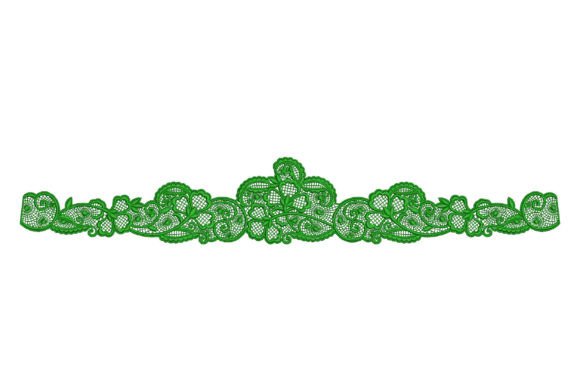
When you first load the Creeping Stems embroidery file, the immediate takeaway is its organic flow. Unlike rigid geometric borders or overly complex central medallions, this design feels like a living vine. It strikes a balance between being trendy and classic. The visual personality leans toward rustic-chic with a hint of feminine softness, making it versatile enough for various demographics.
The detail level appears refined. From a distance, it reads as a lush, continuous line of foliage; up close, the individual stems suggest movement. This "natural touch" mentioned in the product description translates well to machine embroidery design because it mimics hand-drawn botanical sketches. It doesn’t feel cluttered. Instead, it offers a clean, premium look that suggests quality craftsmanship. For a handmade product seller, this distinction is crucial—buyers can often tell the difference between a generic clip-art border and one with intentional artistic flow.
Application on Sweatshirts and Hoodies
The primary use case for Creeping Stems is clearly sweatshirt embroidery and hoodie design. In the current market, oversized hoodies and cropped sweatshirts are staples. Here is how I envision this border performing across different placements:
- Sleeve Accents: Running the creeping stems along the outer seam of a sleeve adds a subtle, high-end detail. It catches the eye when the wearer moves, creating dynamic visual interest without being loud.
- Chest Placement: While traditionally used as a hem border, cropping the design allows for a unique chest placement. Placing a single stem curving under the collarbone on a pastel hoodie creates a delicate, almost jewelry-like effect.
- Back Designs: For a statement piece, running the border down the center back spine or framing the neckline on the back of a dark garment adds depth. It transforms a plain tee into a commercial embroidery standout.
- Hem Framing: The most traditional application is stitching the full border along the bottom hem of a crewneck sweatshirt. On neutral tones like heather grey or oatmeal, the contrast allows the design to pop beautifully.
This versatility makes it an excellent asset for an Etsy seller looking to create a cohesive collection. You can use the same border design across t-shirts, tank tops, and long-sleeve tees, maintaining visual consistency across your brand’s catalog.
Performance on Diverse Fabrics and Garments
A good embroidery design must work on more than just one type of fabric. Creeping Stems seems particularly well-suited for the textures found in boutique merchandise.
On fleece and heavy cotton blends, the stitches will hold their shape well, provided the correct stabilizer is used. The design’s linear nature means it won’t pull the fabric excessively if stitched with appropriate tension. However, caution is needed with stretchy fabrics. When applying any embroidery file to ribbed cuffs or collars, the inherent stretch of the material can distort the border if not stabilized properly. I recommend testing on scrap pieces of the exact garment fabric before committing to production.
For denim jackets, the natural texture of denim complements the rustic vibe of the creeping stems perfectly. The design adds a bohemian flair that pairs well with the ruggedness of denim. Similarly, on tote bags made from canvas, this border can frame the entire bag, turning a utilitarian item into a fashionable accessory. These applications are key for small shop product lines that rely on lifestyle appeal.
Strategic Use and Areas of Caution
While Creeping Stems is versatile, there are specific areas where designers should exercise care to ensure a professional finish.
- Dense Stitch Areas: If the design includes dense fill stitches within the stems, be mindful of fabric stability. On thin materials, this can cause puckering. Always check the stitch density in your software.
- Curved Surfaces: Avoid placing flat borders on highly curved surfaces like the shoulders of a tight-fitting t-shirt unless you digitize specifically for that curve. Borders are best kept on relatively flat planes like the front torso or sleeves.
- Small Chest Placement: If scaling the design down for a small left-chest logo area, ensure the details remain legible. Tiny embroidery can sometimes lose definition, making the "creeping" effect look muddy rather than elegant.
- Dark Garments: When using this on black or navy apparel, thread color choice is critical. Lighter threads will provide necessary contrast, but ensure the thread weight is sufficient to cover the dark background effectively.
Impact on Brand Identity and Value
In the world of digital selling, the finished product is your marketing tool. Using a well-designed border like Creeping Stems directly impacts buyer trust and product recognition. A professionally embroidered border signals attention to detail. It tells the customer that you care about the finishing touches, which justifies a higher price point.
Furthermore, these designs are highly photogenic. For printable mockup creation and social media graphics, a bordered sweatshirt photographs better than a blank one. The added texture and detail catch the light, creating depth in photos. This enhances customer engagement on platforms like Instagram and Pinterest, where visual appeal drives sales.
Practical Designer Notes for Production
Before you start mass-producing finished product inventory, here are my essential tips for working with this design:
- Test on Scrap Fabric: Never skip this step. Test the design on the exact fabric blend you plan to use for your final garments.
- Stabilizer Choice: For sweatshirts, a cut-away stabilizer is usually best to prevent distortion over time. For lighter fabrics, a tear-away might suffice, but always verify.
- Thread Color Contrast: Experiment with thread colors that complement the garment. Metallic threads can add a luxe feel, while matte cotton threads enhance the rustic aesthetic.
- Hoop Size Confirmation: Ensure your machine’s hoop size accommodates the full width of the border if you intend to stitch it continuously. You may need to split the design if it exceeds your hoop dimensions.
- Licensing Check: As with all digital embroidery files purchased from platforms like Creative Fabrica, please review the specific license terms. Confirm whether you are allowed to sell finished physical goods bearing the design. This protects your business legally.
In conclusion, Creeping Stems is a strong contender for any designer looking to add a touch of nature-inspired elegance to their custom apparel line. Its flexibility across multiple garment types—from cozy hoodies to structured denim—makes it a valuable addition to your design library. By paying attention to fabric selection and stabilization, you can leverage this border to create professional, high-value pieces that resonate with today’s conscious consumer.