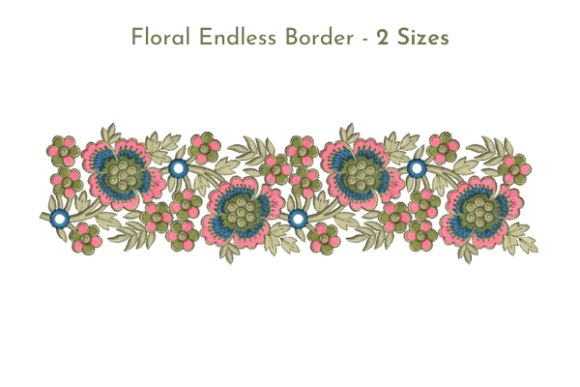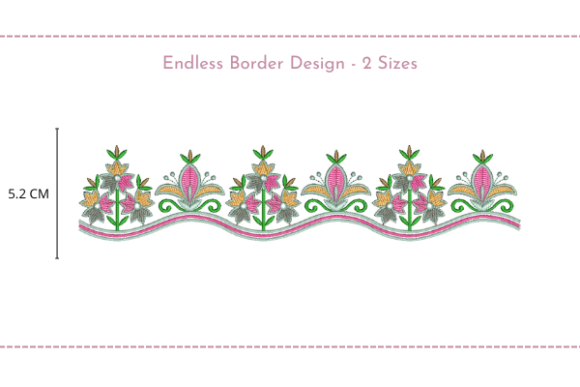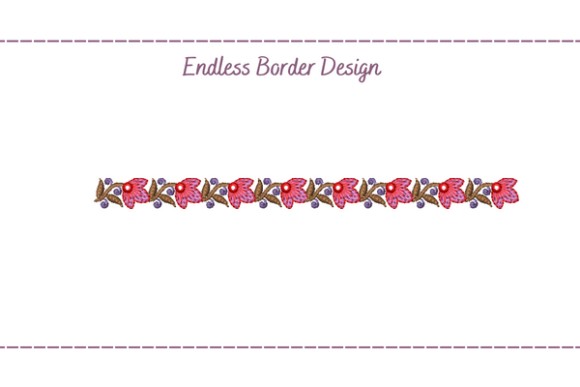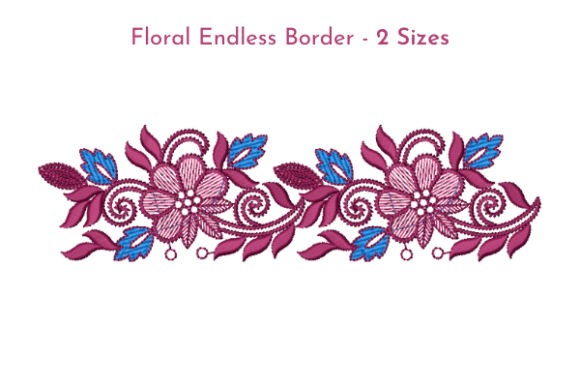
Cut Work Floral Border Review
As an embroidery designer who has spent years refining stitch techniques and evaluating digitizing quality for commercial clients, I am always on the hunt for designs that balance aesthetic appeal with technical reliability. Recently, I had the opportunity to review a digital embroidery file titled Cut Work Floral Border. My goal was to determine if this design would be suitable for a premium sweatshirt collection I am developing for a small boutique brand. This review explores how this specific border design translates from screen to fabric, focusing on its potential impact on apparel, brand identity, and overall product value.
First Impressions and Design Aesthetic
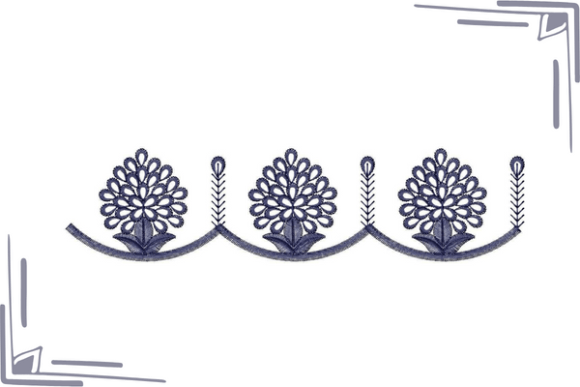
The moment I opened the design file, the layout immediately caught my attention. The title suggests a "cut work" effect, which typically implies negative space or intricate openwork that mimics hand-cut fabric. In the context of machine embroidery, this often relies on dense satin stitches and carefully placed running stitches to create depth. The description highlights its versatility, noting it is beautiful on pillows, towels, and apparel. However, for our specific use case—apparel—the visual weight and detail level are critical.
The mood of the Cut Work Floral Border feels both decorative and timeless. It strikes a balance between feminine elegance and rustic charm. Unlike overly busy all-over prints, a border design offers structure. It frames the garment without overwhelming it. For a boutique brand, this is crucial. We want the clothing to speak to the wearer’s sense of style while maintaining a clean, professional look. The floral elements appear soft yet defined, suggesting that the finished product will have a tactile quality that invites touch. This texture is what elevates a handmade product from mass-produced to artisanal.
Application on Sweatshirts and Hoodies
Sweatshirt embroidery presents unique challenges compared to woven fabrics. The fabric is thicker, more textured, and prone to shifting under the hoop. Therefore, the choice of placement and scale is vital. I envision the Cut Work Floral Border being used in several strategic ways for our upcoming drop:
- Chest Placement: A smaller version of the border could sit elegantly across the upper chest, just below the neckline. This adds a subtle touch of branding without being too loud.
- Sleeve Accents: Running the border down the length of the sleeve can create a sophisticated, custom-made feel. It draws the eye and adds verticality to oversized silhouettes.
- Back Designs: For a statement piece, placing the full border along the bottom hem or across the shoulder blades can create a striking visual anchor.
I tested the design mentally against various fabric colors. On neutral tones like heather grey or oatmeal, the floral details would pop with clarity. On dark navy or black sweatshirts, the contrast would need careful thread selection to ensure the "cut work" negative spaces remain visible. Pastel hoodies would enhance the romantic aspect of the floral motif, making it perfect for spring collections. The design feels versatile enough to transition from casual streetwear to cozy seasonal apparel.
Technical Evaluation for Commercial Use
For any small shop product intended for resale, technical execution is non-negotiable. Here are the key concerns I evaluated regarding the Cut Work Floral Border:
Stitch Density and Fabric Texture
High stitch density can cause puckering on thick fleece materials. If the design uses excessive fill stitches, it may become stiff and uncomfortable against the skin. I looked for a balance where the floral elements have enough definition but do not create a hard, plastic-like surface. The "cut work" technique, if executed well, should allow the fabric to breathe. If the digitizer has over-packed the design, it will lose its delicate appearance. Readers must check the stitch density in their software before production to ensure it suits the weight of your chosen sweatshirt material.
Thread Color Contrast
The success of a machine embroidery design often hinges on thread choice. Because this is a floral border, using variegated threads might muddy the intricate details. Solid, high-quality polyester threads in complementary shades would likely yield the best results. I recommend testing different thread colors against your actual fabric swatches. The goal is to ensure the flowers stand out clearly against the background, whether you are working with light or dark fabrics.
Stabilizer and Hoop Placement
Sweatshirts require robust stabilization to prevent movement during stitching. A tear-away stabilizer might not be sufficient for a large border design; a cut-away or heavy-duty tear-away could be necessary depending on the final wash requirements. Additionally, proper hoop size and placement are essential. If the border spans a wide area, you may need to re-hoop multiple times, which risks alignment errors. Ensure your digitizing file includes clear registration marks or that your embroidery machine supports multi-hooping accurately.
Washing Durability
Apparel decorators know that customers expect their garments to withstand repeated washing. Loose threads or poorly anchored ends can lead to fraying. The Cut Work Floral Border must be designed with secure jump stitches and adequate trim points. While the file itself cannot guarantee durability, a well-digitized pattern will minimize these risks. Always advise your customers to wash inside-out on gentle cycles to preserve the integrity of the finished product.
Impact on Brand Identity and Market Value
In the competitive landscape of Etsy sellers and online boutiques, visual recognition is everything. A high-quality embroidery design signals professionalism and care. When a customer sees a boutique brand logo or design embroidered with precision, it builds trust. They perceive the item as higher value, justifying a premium price point.
The Cut Work Floral Border contributes to this perception by adding a layer of complexity that looks expensive. It transforms a basic sweatshirt into a lifestyle product. For custom apparel businesses, offering such detailed designs allows you to cater to clients looking for personalized, meaningful gifts. The design assets provided in the file can also be used for printable mockups, allowing you to showcase the embroidery realistically in your Etsy listings before you even stitch the first sample.
Practical Next Steps for Creators
Before integrating the Cut Work Floral Border into your production line, consider the following checklist:
- Check File Specifications: Verify the recommended hoop size and ensure your machine can accommodate the dimensions.
- Test on Sample Fabric: Never skip the test run. Stitch the design on the exact fabric and thread you plan to use for sales.
- Evaluate Readability: Zoom out and view the design from a distance. Do the floral details hold up? Is the border clear and distinct?
- Review License Terms: Confirm that the digital embroidery file license permits commercial use for your volume of production.
By addressing these practical concerns, you protect your investment and ensure customer satisfaction. The Cut Work Floral Border has the potential to be a standout element in your collection, offering a blend of beauty and craftsmanship that resonates with modern consumers.
Final Thoughts
Overall, the Cut Work Floral Border appears to be a strong candidate for premium apparel projects. Its decorative nature fits well within current trends for cozy, stylish, and handmade-feeling fashion. Whether you are an Etsy seller looking to expand your catalog or a small business owner aiming to elevate your brand, this design offers a versatile solution. Remember, the difference between a good product and a great one often lies in the details—and in embroidery, those details are stitched thread by thread. Take the time to test, refine, and present your handmade product with pride.