Floral Embroidery Seamless Pattern Review
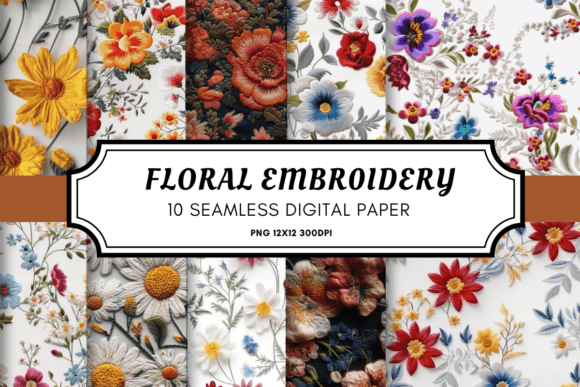
As an embroidery designer who spends weekends hunched over my machine and weekdays planning booth layouts for craft fairs, I have learned one hard truth: visual impact is everything. When a customer walks past your table, they do not read the price tag first; they react to what they see. This week, I am reviewing the Floral Embroidery Seamless Pattern, a digital asset pack described as high-resolution graphics perfect for scrapbooking, web backgrounds, and creative projects. But for us in the handmade community, the real question is not whether it looks good on a screen—it is whether it translates into a craft fair product that sells.
This review focuses on how this digital embroidery file performs when moved from a computer screen to fabric, specifically for sellers looking to create handmade products like tote bags, aprons, and decorative home goods. While the product description highlights its use for Illustrations and Graphics in digital contexts, we are evaluating its potential as a commercial machine embroidery design.
First Impressions and Visual Appeal
The title Floral Embroidery Seamless Pattern suggests a classic, perhaps slightly vintage or modern botanical aesthetic. In the world of embroidery design, "seamless" implies repetition, which is a powerful tool for creating all-over prints on fabric without visible seams. For a craft fair booth, this means you can create a cohesive brand look across multiple items.
When I imagine this pattern applied to physical goods, I picture a soft, elegant, or perhaps rustic farmhouse vibe, depending on the specific thread colors chosen. Floral motifs generally perform well because they appeal to a broad demographic. They feel timeless rather than trendy, which is crucial for Etsy sellers and boutique makers who want inventory that does not expire quickly. The seamless nature allows the design to flow naturally across the curves of a tote bag or the wide expanse of a tea towel, creating a sense of premium quality that customers associate with higher value.
Product Applications for Craft Fairs
To determine if this design asset will drive sales, let’s look at how it performs on specific small shop product categories. A successful craft fair strategy relies on variety—offering items at different price points while maintaining a unified aesthetic.
- Tote Bag Design: This is arguably the best application for a seamless floral pattern. A canvas tote bag provides a large, flat surface area. When the pattern repeats seamlessly, it creates an all-over print effect that looks expensive and professionally made. Customers love these because they are practical yet stylish. Ensure the thread colors contrast well against the canvas to maintain visibility.
- Apron Embroidery: For kitchen-focused markets, this pattern works beautifully on the bib or the skirt of an apron. A seamless border along the hem adds a touch of elegance. It transforms a utilitarian item into a giftable handmade product. Just be mindful of the pocket placement; ensure the pattern flows around functional elements without looking cluttered.
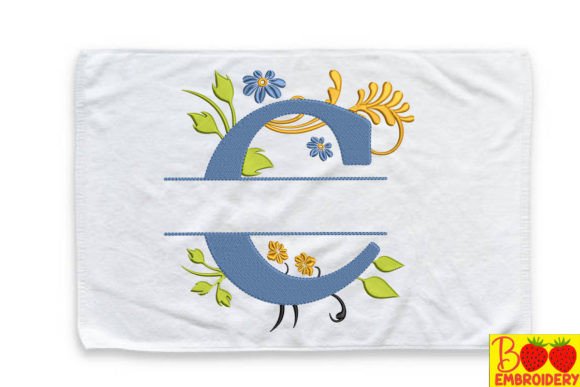
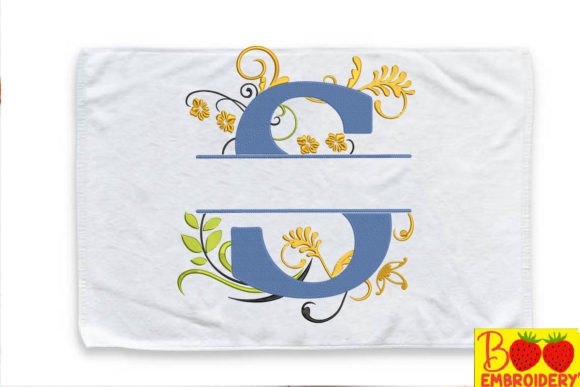
- Tea Towel Embroidery: Similar to aprons, tea towels are high-volume, lower-cost impulse buys. A seamless pattern running down the length of the towel catches the eye from across the booth. These items photograph exceptionally well for online listings, making them dual-purpose assets for your physical stall and your website.
- Embroidered Patch: If the pattern contains distinct focal points, it can be digitized as a patch. Patches are versatile; they can be sewn onto caps, denim jackets, or backpacks. However, for a seamless pattern to work as a single patch, it must be cropped effectively to avoid cutting off important floral elements.
- Pillow Covers and Home Decor: Larger items like pillow covers allow the intricate details of the floral design to breathe. This elevates the perceived value of the item, allowing you to charge a premium price point. It positions your booth as a source for high-quality home accents.
Practical Selling and Production Points
From a production standpoint, the efficiency of a design directly impacts your profit margin. A seamless pattern is inherently efficient because once the hoop settings are correct, the machine can run continuously, filling large areas quickly. This repeatability is essential for batch production before a busy weekend market.
However, clarity is key. At a glance, does the design hold up? Floral patterns can sometimes become muddy if the stitch density is too high or if the color palette is too similar. For a finished product to stand out on a crowded table, the contrast between the thread and the fabric must be sharp. I recommend testing the stitch density on scrap fabric to ensure the flowers do not pucker the material, especially on lighter fabrics like cotton tea towels.
Photography is another critical factor. A seamless pattern photographs beautifully because it fills the frame with texture and color. When creating a printable mockup for your Etsy listing or social media, the repeating nature of the design allows you to showcase how it looks on various angles of a product, giving buyers confidence in the final result.
Careful-Use Notes and Technical Considerations
While the potential is high, there are technical pitfalls to avoid. Not every digital embroidery file translates perfectly to every fabric type. Here are some critical checks before you start mass-producing:
- Fabric Texture: Textured fabrics, such as heavy linen or waffle-weave towels, can obscure fine details. If the floral pattern includes tiny petals or leaves, they may get lost in the weave of the fabric. Stick to smoother fabrics for intricate details.
- Curved Surfaces: Applying a seamless pattern to curved surfaces like caps or rounded pouches requires careful hooping and possibly stabilizer adjustments. The pattern may distort if the fabric stretches unevenly during stitching.
- Thread Contrast: Dark fabrics require light or metallic threads to make the floral design pop. Conversely, light fabrics need darker threads for definition. Always test your thread colors against your actual product fabric.
- Hoop Size: Confirm that your machine’s hoop size accommodates the width of your intended product. For large seamless designs on tote bags, you may need a multi-hooping technique to cover the entire surface without stopping frequently.
- Stabilizer Choice: Using the wrong stabilizer can lead to puckering or poor registration. For lightweight fabrics, a tear-away stabilizer might suffice, but for heavier items like denim totes, a cut-away stabilizer ensures longevity.
Designer’s Final Verdict
The Floral Embroidery Seamless Pattern offers strong potential for commercial embroidery businesses and craft fair vendors. Its versatility across multiple product types—from practical totes to decorative pillows—makes it a valuable addition to any designer’s library. The seamless nature enhances visual appeal, creating a cohesive and professional brand image that attracts customer attention.
Before committing to full production, I strongly advise creating at least one real mockup. Test the design on your most common fabric types, inspect the stitch quality under bright lighting (simulating booth lights), and verify that the pattern repeats smoothly. Additionally, since the product description mentions it is for "creative projects," please double-check the licensing terms to ensure you have the right to sell finished goods made from these design assets.
If executed correctly, this pattern can elevate your handmade product line, turning simple fabric items into sought-after boutique pieces. It balances aesthetic charm with production efficiency, two qualities that are indispensable for any serious Etsy seller or craft fair entrepreneur. By paying attention to detail—from thread selection to stabilizer choice—you can transform this digital graphic into a tangible, profitable reality that customers will love.