Floral Patch Design Review
As an embroidery designer who has spent years turning digital concepts into tangible brand assets, I approach every new file with a mix of creative excitement and commercial scrutiny. When evaluating a design for small business merchandise, the goal is never just aesthetics; it is about longevity, recognizability, and production viability. Today, I am reviewing the Floral Patch, a design categorized under Wedding Flowers and Embroidery. This review focuses on its potential application for branded patches, staff uniforms, caps, tote bags, and general small business merch.
First Impressions: Visual Personality and Brand Fit
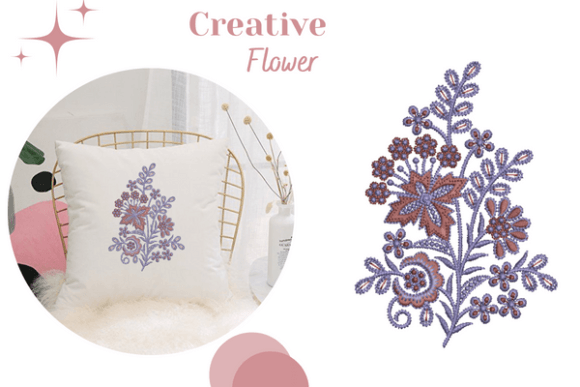
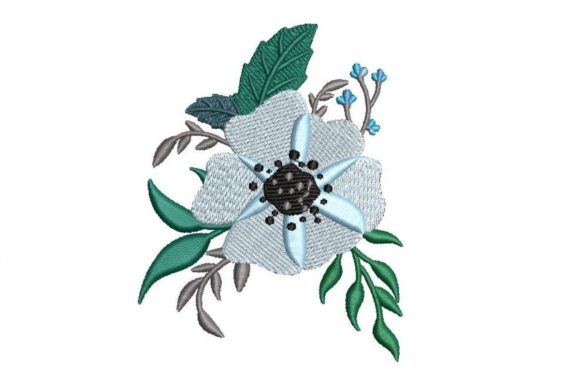
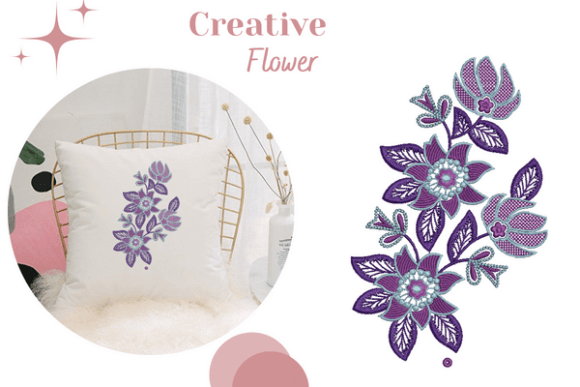
The title "Floral Patch" immediately suggests versatility. In the world of machine embroidery design, floral motifs are timeless, but their execution determines whether a piece feels rustic, elegant, modern, or playful. Based on the description provided—highlighting its ability to be embroidered on any fabric for pillows, towels, apparel, or home decor—this design leans towards a friendly, colorful, and decorative aesthetic.
For a small business owner, this visual personality is valuable. It bridges the gap between professional polish and handmade warmth. Whether you run a boutique bakery, a local florist, a pet brand, or a creative studio, a floral motif often signals care, attention to detail, and a touch of nature. However, because the description emphasizes a "colorful look," designers must consider how these thread colors will translate across different brand palettes. A vibrant floral patch can serve as a striking accent on neutral apparel, but it requires careful color matching to ensure it aligns with your specific brand identity.
Real-World Business Applications
The true test of an embroidery file lies in its adaptability across various product types. Here is how the Floral Patch performs in real-world commercial scenarios:
- Embroidered Patches: This is likely the primary intended use. The design’s structure appears suitable for iron-on or sew-on patches. For businesses selling stickers, decals, or accessories, these patches add perceived value to handmade products. They work exceptionally well for event merch, conference swag, or loyalty program rewards.
- Staff Uniforms and Aprons: For cafes, bakeries, and salons, subtle branding is key. Placing the Floral Patch on the chest pocket of a work shirt or the bib of an apron embroidery project adds a personal touch without overwhelming the uniform. It humanizes the staff and creates a welcoming atmosphere for customers.
- Caps and Headwear: Cap embroidery often suffers from distortion if the design is too complex. If the Floral Patch has clean lines and appropriate spacing, it can serve as a charming focal point on the front panel of a baseball cap or a structured bucket hat, appealing to fashion-forward demographics.
- Tote Bags and Apparel Accents: As a sleeve detail, back neck logo, or hem accent, this design offers flexibility. On canvas tote bag design projects, it reinforces the eco-friendly, artisanal vibe that many Etsy sellers and crafters aim for. It transforms a generic bag into a branded asset.
- Product Packaging and Home Decor: Beyond apparel, the description mentions pillows and towels. For brands selling candles, bath bombs, or kitchenware, a small floral patch on packaging tags or included gift towels enhances the unboxing experience, fostering customer trust and repeat purchases.
Strategic Considerations and Limitations
No design is perfect for every application. As a designer, I urge you to evaluate the Floral Patch critically before committing to large-scale production. Certain scenarios require caution:
- Small Patch Sizes: If you intend to use this design on very small items (under 2 inches), intricate details may get lost. Embroidery relies on stitch density to create definition. At tiny sizes, fine lines can merge, resulting in a muddy appearance. Always test at the actual production size.
- Curved Surfaces: Embroidering on curved surfaces like cap fronts or rounded bottle labels introduces distortion. Ensure the design’s layout accounts for curvature so the flowers do not appear stretched or warped.
- High Stitch Density: Designs with high stitch counts can become stiff and bulky. On delicate fabrics, this weight might cause puckering. Conversely, on heavy denim, it might look too dense. Check the stitch density to ensure it balances durability with drape.
- Fabric Texture and Color: Textured fabrics like tweed or heavy wool can obscure fine embroidery details. Additionally, dark uniforms require underlay stitches or specific thread choices to make the colors pop. If the Floral Patch relies on light threads, contrast issues may arise on dark backgrounds.
- Frequent Washing: For items that undergo frequent industrial laundering, such as restaurant aprons, the design must hold up to abrasion. Loose edges or insufficient stabilization can lead to fraying over time.
Impact on Brand Identity and Customer Trust
In the competitive landscape of small business merch, consistency is everything. The Floral Patch contributes to brand identity by offering a recognizable visual anchor. When customers see the same floral motif on a tote bag, a cap, and a product tag, it reinforces professionalism and visual consistency. This repetition builds recognition, which is crucial for buyer engagement and long-term loyalty.
Furthermore, embroidery conveys quality. Unlike screen printing, which can crack or fade, high-quality embroidery feels premium and tactile. Using a well-executed design like the Floral Patch signals that your business cares about the details, thereby enhancing customer trust. It elevates the perceived value of your finished product, allowing you to command higher price points for your goods.
Practical Designer Notes for Production
Before you upload this digital embroidery file to your machine, follow these essential steps to ensure a successful outcome:
- Test in Black and White: Convert the design to monochrome to check the balance of negative space and stitch direction. This helps identify areas that might be too crowded or too sparse.
- Check Spacing and Hoop Size: Confirm the hoop size requirements. Ensure the design fits within your standard hoops without excessive trimming. Inspect the spacing between elements to prevent thread breaks during high-speed stitching.
- Use Proper Stabilizer: The choice of stabilizer (cut-away, tear-away, or water-soluble) depends entirely on the fabric texture and final use. For stretchy knits or heavy outerwear, a cut-away stabilizer is usually necessary to maintain shape.
- Create a Printable Mockup: Before cutting fabric, generate a printable mockup for client approval or internal review. This allows you to visualize how the design sits on the actual product and spot any scaling issues early.
- Compare Design Assets: Place the Floral Patch beside other design assets in your collection. Does it match the style and weight of your other logos? Consistency across your entire catalog strengthens your brand presence.
- Confirm Commercial Licensing: Most importantly, verify the commercial embroidery license. Ensure you have the right to sell products made with this design. Do not assume usage rights unless explicitly stated in the product terms.
By treating the Floral Patch not just as a pretty image but as a functional business tool, you can leverage its charm to build a cohesive, professional, and profitable brand presence. Take the time to test, refine, and deploy it strategically, and it will serve as a valuable addition to your custom apparel and merchandise offerings.