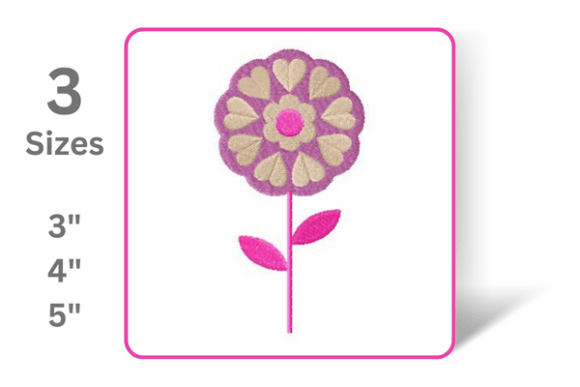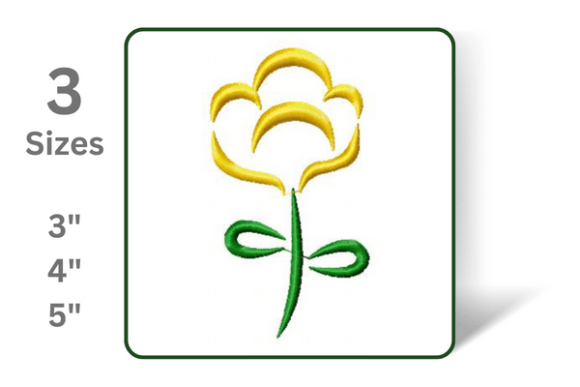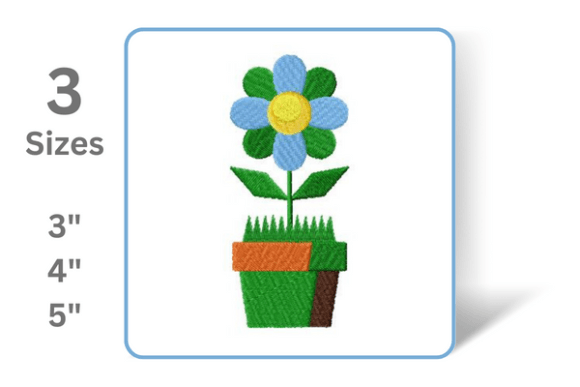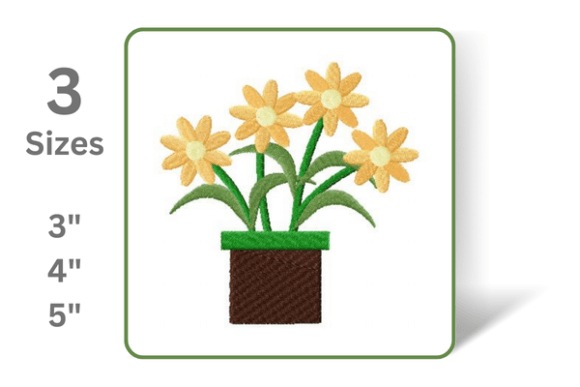
Flower Pot Embroidery Design Review
As an embroidery designer who spends countless hours testing stitches and planning seasonal collections, I approach every new file with a mix of excitement and skepticism. The market is flooded with generic floral patterns, so finding a design that truly resonates with holiday shoppers requires more than just pretty lines. Today, I am reviewing the Flower Pot design to determine if it deserves a spot in my upcoming seasonal product lineup. This review is for fellow Etsy sellers, small shop owners, and handmade gift makers who need practical insights before investing time into production.
First Impressions: Seasonal Mood and Emotional Tone
The moment I loaded the Flower Pot file into my hoop, I noticed its versatility. While many floral designs lean heavily toward spring or summer, this particular piece carries a warmth that translates beautifully to fall and winter holidays. It feels cozy, nostalgic, and slightly rustic, which aligns perfectly with the current trend of "hygge" home decor and heartfelt handmade gifts.
The decorative style is clean but detailed enough to catch the eye on social media previews. It isn’t overly intricate, which means it maintains visual recognition even when viewed as a thumbnail image. For a seasonal embroidery collection, this balance is crucial. It doesn’t scream for attention; instead, it invites the viewer to imagine it on their own kitchen towels or living room pillows. The emotional tone is inviting and safe, making it suitable for a wide range of buyers, from those looking for spiritual accents to those seeking modern, cute accents for nursery items.
Real-World Application for Holiday Products
When building a limited-time product drop, I look for designs that can be repurposed across multiple categories. Flower Pot excels here. Here is how I see it performing in real selling situations:
- Kitchen Towel Embroidery: This is perhaps the strongest use case. A simple flower pot motif looks elegant on white or cream cotton towels. It adds a pop of color without overwhelming the fabric texture. These make excellent personalized gift items for housewarmings or hostess presents during the holidays.
- Pillow Covers and Home Decor: The design scales well on larger canvas areas. Imagine a set of three coordinating pillows with different variations of this motif. It creates brand consistency and increases the perceived value of the bundle.
- Sweatshirt Embroidery: For colder months, placing this design off-center on a crewneck sweatshirt gives it a casual, artisanal vibe. It works particularly well on neutral tones like oatmeal, sage green, or navy blue.
- Tote Bag Design: A sturdy canvas tote featuring Flower Pot is a practical yet stylish accessory. It appeals to the eco-conscious shopper and serves as a walking advertisement for your brand when used at craft fairs or markets.
- Baby Items and Aprons: The softness of the floral theme makes it ideal for baby blankets or christening gowns. Similarly, it fits the aesthetic of a baker’s apron, bridging the gap between utility and decoration.
For digital embroidery file buyers, knowing these applications helps in creating realistic mockups. When you show a potential customer how versatile the design is, you reduce hesitation and increase conversion rates.
Strategic Considerations and Limitations
No design is perfect for every scenario. As a professional, I must highlight where Flower Pot might require careful handling. Understanding these limitations protects your reputation and ensures customer satisfaction.
First, consider the stitch density. If the design includes fine lines or tiny lettering, it may become muddy on thick terry cloth towels or textured fleece. Always test on the actual fabric you intend to sell. If you are working with dark fabric, ensure the thread colors have enough contrast. Light pastel flowers on black fabric can sometimes lose their definition unless you use a high-quality underlay or specific stabilizer techniques.
Additionally, avoid using this design on stretchy garments like tight leggings or thin jersey knits without proper stabilization. The tension can cause puckering, which ruins the premium feel of the finished product. Also, be cautious with metallic threads. While they add sparkle, they can be brittle and may break during high-speed stitching, especially in smaller hoop sizes where the needle movement is rapid.
If you plan to create embroidered patches, confirm the hoop size requirements. Some machines struggle with dense fills in very small areas, leading to thread breaks or inaccurate registration. Always check the manufacturer’s specifications regarding recommended fabrics and thread types.
Impact on Seasonal Appeal and Buyer Emotion
In the crowded world of online marketplaces, visual appeal drives clicks, but emotion drives sales. Flower Pot taps into the universal desire for growth, beauty, and domestic comfort. During the holiday season, when people are stressed and overwhelmed, products that evoke peace and natural beauty stand out.
By offering this design on handmade gift items, you are not just selling an object; you are selling a feeling. A towel embroidered with this motif suggests a warm, welcoming home. A pillow cover suggests relaxation and style. This emotional connection builds customer trust and encourages repeat business. Furthermore, because the design is timeless rather than trendy, it has longevity. You can sell it in December, February, and April without it feeling out of place.
For Etsy sellers, leveraging this design in printable promotional graphics or social media posts can boost engagement. Users are more likely to save or share images of beautiful, cohesive home decor setups. Use these assets to build anticipation for your launch days.
Practical Designer Notes for Production
Before adding Flower Pot to your commercial inventory, follow these essential steps:
- Test Thread Colors: Do not rely solely on screen previews. Stitch out the design using the actual threads you plan to sell. Check how the colors interact with both light and dark fabrics.
- Check Stitch Density: Zoom in on the digital file. Are there areas where stitches overlap excessively? Adjust the density settings in your embroidery software if necessary to prevent bulkiness.
- Confirm Hoop Size: Ensure the design fits within your machine’s standard hoops. If it requires a large hoop, factor in the additional cost of materials and machine time.
- Use Proper Stabilizer: Different fabrics require different stabilizers. Cut-away for stretchy items, tear-away for wovens, and hooped water-soluble for delicate projects. Using the wrong stabilizer is the most common cause of failed productions.
- Create Realistic Mockups: Show the design on the actual product type. A flat scan of the embroidery is less compelling than a lifestyle photo of the finished item.
- Review Commercial Licensing: Before selling finished products, verify the license terms of the digital embroidery file. Some licenses restrict the number of units you can sell or prohibit certain uses. Protect your business by staying compliant.
In conclusion, Flower Pot is a strong candidate for any machine embroidery design collection focused on home decor and personal gifts. Its versatility, emotional resonance, and broad appeal make it a reliable choice for holiday seasons. By paying attention to fabric choices, stitch quality, and licensing, you can turn this simple floral motif into a best-selling asset for your shop.