Flowers and Creative Decorations
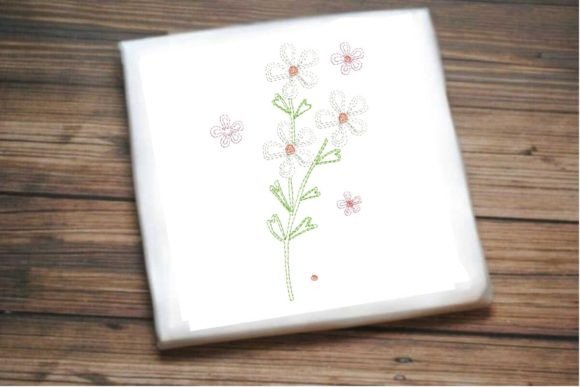
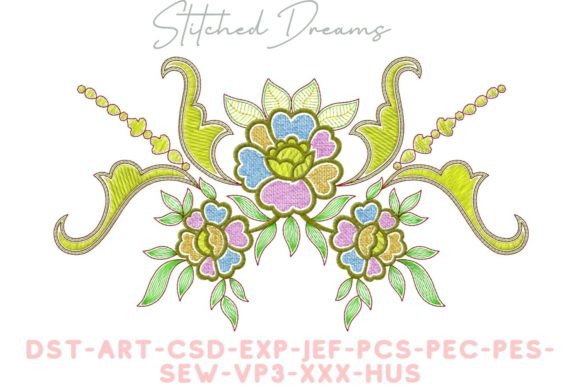
I have spent years designing for the booth, and I know that first glance is everything. When a customer walks past your table at a craft fair or scrolls through an Etsy listing, they decide in seconds if they want to stop. That is why I am reviewing Flowers and Creative Decorations. This design promises a captivating pattern with intricately stitched flowers and creative decorations. As an experienced embroidery designer, my job is to tell you if this design will actually sell on your tote bags, aprons, and market goods, or if it will just sit there collecting dust.
The First Impression: Bold, Intricate, and Marketable
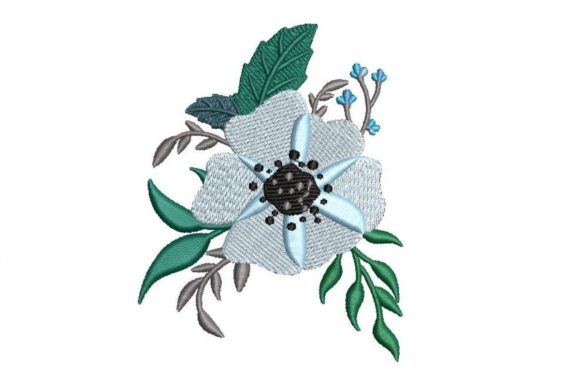
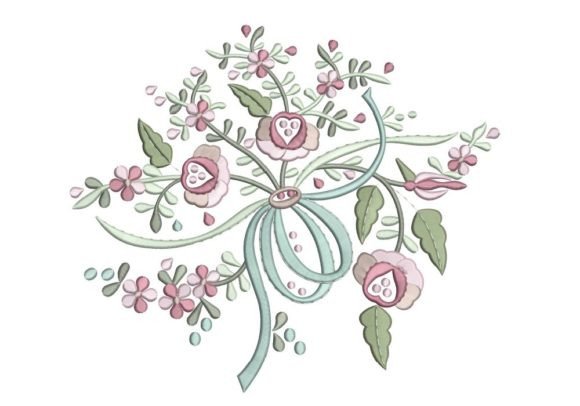
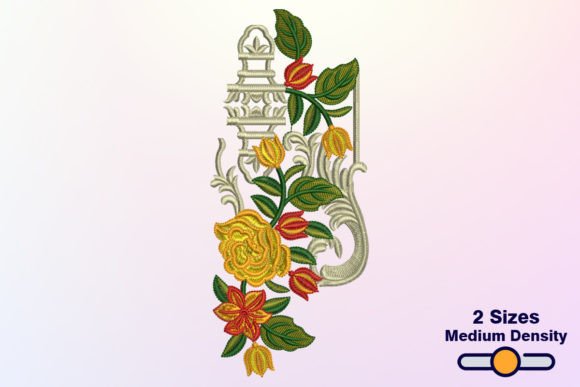
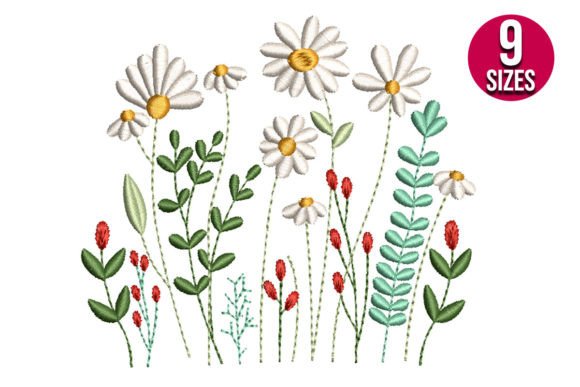
When you look at the title and description of Flowers and Creative Decorations, it sounds like a design that wants to be seen. It does not whisper; it shouts softly. The mention of "intricately stitched" suggests a level of detail that signals quality to the buyer. In the world of handmade products, customers are looking for something that feels premium and thoughtful. A simple outline flower might get lost on a busy fabric texture, but a design featuring an array of floral elements creates visual weight and interest.
This design likely strikes a balance between rustic charm and modern elegance. It fits perfectly into the current trend of farmhouse chic, boho boutique styles, and garden-inspired aesthetics. For a craft fair seller, this versatility is gold. You can use it for spring markets, wedding gifts, bridal showers, or year-round home decor. The key here is that it feels decorative without being cluttered, provided the stitch density is managed correctly.
Product Potential: Where Flowers and Creative Decorations Shines
Let’s talk about where this embroidery file will perform best on your production line. Not every design works on every item. Based on the description of intricate flowers and creative decorations, here is how I see this performing across different crafter fair product categories.
- Tote Bags: This is the bread and butter of any handmade shop. A large focal placement on a canvas tote allows the intricate details to breathe. If the design includes smaller accents, placing them near the handles or as a repeating border adds a professional touch. Customers love seeing the texture of the thread pop against natural cotton or linen blends.
- Kitchen Aprons and Tea Towels: These items are impulse buys at craft fairs. Tea towel embroidery is particularly effective because the fabric is light and the design doesn't need to be massive to make an impact. A clustered bouquet effect in the center of a tea towel looks elegant and giftable. However, be mindful of the fabric texture; loose weaves can distort fine details.
- Embroidered Patches and Caps: If the design has a defined shape or a strong central motif, it translates beautifully to patches. Patches are high-margin items because they require less fabric and time than a full tote bag. On caps, the curvature can challenge small lettering or tiny petals, so ensure the main floral elements are robust enough to hold their shape on a curved surface.
- Pillow Covers and Home Decor: For higher-ticket items, this design elevates the perceived value. A pillow cover featuring Flowers and Creative Decorations feels like a luxury item. It appeals to buyers looking for unique home accents that match their existing decor. This is where you can charge more for the "boutique maker" quality.
Practical Selling and Production Considerations
As a designer, I always ask: Is this easy to produce? If a design takes three hours to embroider per unit, your profit margins vanish. Flowers and Creative Decorations needs to be evaluated for its efficiency. Intricate designs often mean more needle movement, which means more time. However, if the design uses efficient fill stitches and minimal trims, it can still be profitable.
Photography is another critical factor. For an Etsy seller or anyone selling online, your photos are your sales team. A design with varied thread colors and intricate details photographs exceptionally well. It catches the eye in a grid of thumbnails. Make sure to create a printable mockup that shows the design on different colored fabrics. Does it look good on white? On navy? On sage green? Testing these combinations helps you present a cohesive brand to your digital audience.
Batch production is also key. Can you hoop multiple items quickly? Designs that are too wide may require re-hooping, which slows down production. If Flowers and Creative Decorations fits within a standard hoop size for your most common products (like 5x7 or 6x10 inches), you will save significant time during peak seasons.
Careful-Use Notes: Avoiding Common Pitfalls
Even the best design can fail if executed poorly. Here are some technical warnings based on the nature of intricate floral patterns.
- Stitch Density: Intricate flowers often lead designers to pack stitches tightly. While this looks detailed, it can make the fabric stiff and bulky. Check the stitch density settings. If the design is too dense, it may pucker thin fabrics like silk or lightweight cotton. Use a cut-away stabilizer for stability, especially on garments and bags.
- Small Details: Tiny petals or small decorative elements can get lost if the thread color blends too much with the fabric. Ensure you have high contrast. Also, test the design at its intended size. What looks intricate in software might look like a blob when embroidered on a small pouch.
- Fabric Texture: Avoid using this design on heavily textured fabrics like bouclé or thick chenille unless you are very experienced. The texture can hide the fine details of the embroidery. Stick to smooth cottons, linens, or denim for the best results.
- Dark Fabric: Embroidering light threads on dark fabric requires a underlay stitch to prevent the top thread from showing through. Without proper underlay, your beautiful flowers may look transparent or muddy. Always run a test on scrap fabric of the same color.
Designer’s Checklist for Success
Before you start mass-producing commercial embroidery items with this design, follow these steps to ensure quality and profitability.
- Test on Scrap: Never go straight to your final product. Hoop a piece of your actual fabric with the correct stabilizer and run the design. Inspect the back for stiffness and the front for clarity.
- Check Thread Contrast: Select thread colors that complement the fabric. For a natural look, try variegated threads that shift through greens and blues for the leaves, paired with bright florals for the blooms.
- Confirm Hoop Size: Verify the dimensions of the design. If it is larger than your machine’s maximum hoop, you will need to digitize it again or split the design, which adds complexity.
- Review Spacing: Look at the spacing between elements. Are there gaps that look unintentional? Good digitizing ensures that negative space is used effectively to highlight the flowers.
- Commercial Licensing: Most importantly, check the license terms. Just because you bought the digital embroidery file does not automatically grant you the right to sell the finished physical goods. Ensure you have a commercial license before listing your items on Etsy or at a craft fair.
Final Verdict
Flowers and Creative Decorations has all the hallmarks of a best-selling handmade product. It is visually engaging, versatile across multiple product types, and aligns with popular aesthetic trends. By paying attention to stitch density, fabric choice, and proper licensing, you can turn this design into a standout item at your next craft fair or a top performer in your online shop. Remember, the goal is not just to embroider a design, but to create a finished product that makes the customer feel they are buying something special, crafted with care and expertise.