Mini Flower Embroidery Design Review
As a designer who spends more time staring at stitch density charts and fabric swatches than I care to admit, I approach every new embroidery design with a healthy dose of skepticism. The market is flooded with generic floral patterns that look beautiful in digital previews but fall apart when the needle hits the cloth. However, after putting the Mini Flower through its paces for potential client work and small business inventory, I found myself pleasantly surprised. This isn’t just another decorative element; it is a refined piece of machine embroidery design that understands the balance between delicacy and durability.
First Impressions: Elegance Meets Practicality
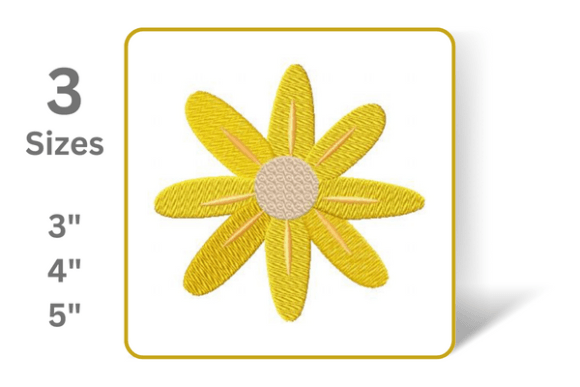
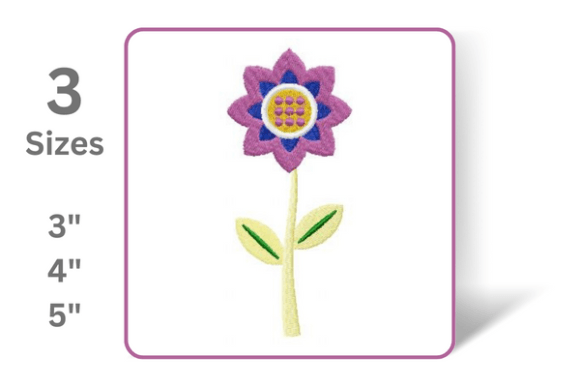
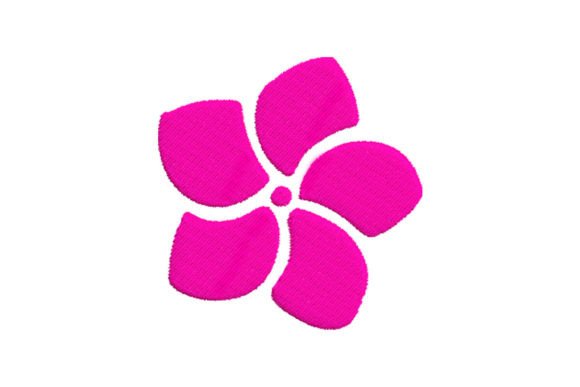
The first thing you notice about Mini Flower is its restraint. In a category often dominated by oversized, chaotic blooms, this Single Flowers design exudes a quiet confidence. It feels timeless, evoking a sense of charm that translates well across different demographics. Visually, the layout is clean, allowing the individual petals to breathe without feeling cluttered. For an Etsy seller or a craft business owner, this kind of aesthetic is gold because it appeals to a broad audience—from those seeking minimalist nursery decor to customers looking for subtle sophistication on custom apparel.
The visual personality of the design suggests versatility. It doesn’t scream for attention; instead, it invites closer inspection. This makes it an excellent candidate for personalized gift items where subtlety is preferred over bold statements. Whether you are creating a boutique brand identity or designing assets for a digital product shop, the Mini Flower offers a level of polish that elevates the perceived value of the final output.
Real-World Application: From Concept to Stitch
To truly judge an embroidery file, you have to imagine it on a finished product. Let’s look at a specific scenario: preparing a line of custom embroidered tote bags for a spring craft fair. I visualized placing the Mini Flower near the handle base or centered on the front panel. The delicate pink hues would pop beautifully against natural canvas or soft pastel fabrics, creating an immediate emotional connection with shoppers. It feels like a tote bag design that whispers rather than shouts, perfect for the modern consumer who values quality over quantity.
I also tested the concept mentally for baby clothing and nursery decor. Here, the Mini Flower shines. It fits perfectly into the soft, gentle aesthetic required for baby embroidery projects. Imagine this design stitched onto a muslin blanket or the cuff of a onesie. The elegance of the flower adds a touch of luxury to everyday items, making them feel special enough for a holiday gift or a wedding present. It bridges the gap between a simple handmade item and a professional boutique product.
Furthermore, consider its application on sweatshirts or aprons. While large florals can sometimes overwhelm a garment, the scaled-down nature of Mini Flower allows it to act as a charming accent. It works well as part of a cluster or as a standalone motif on the chest area of a sweatshirt embroidery project. It adds character without adding bulk, which is crucial for comfort and wearability.
Technical Performance and Stitch Clarity
From a technical standpoint, the construction of this design is thoughtful. The use of satin stitch for the outlines gives the petals a defined edge, while the internal detailing likely utilizes a combination of fill stitch and perhaps some running stitch elements to create texture. This variety prevents the design from looking flat or muddy after stitching.
However, not every surface is created equal. When considering where to use this design, caution is advised. On textured fabrics like heavy denim or bouclé wool, the fine details might get lost. Similarly, on stretchy knits, the tension needs to be carefully managed to prevent puckering. If you are working with dark fabric, ensure your thread colors provide sufficient contrast; otherwise, the delicate pink tones may disappear into the background. Testing on scrap fabric is non-negotiable here. You need to verify how the stitch density interacts with your specific material before committing to a customer’s order.
Strategic Considerations for Sellers and Makers
For commercial embroidery professionals and small shop product creators, understanding the limitations of a design is as important as knowing its strengths. The Mini Flower is not ideal for tiny hoop sizes where extreme detail might blur together. Nor is it recommended for curved surfaces like caps unless you have significant experience with multi-hoop techniques and stabilizers. Attempting to stitch such a delicate design on a curved brim could result in misalignment or distortion.
Additionally, think about the longevity of the product. Items that require frequent washing, such as kitchen towels or baby clothes, benefit from designs with robust stitch structures. While Mini Flower is elegant, excessive detail can sometimes snag if not backed properly. Always use a proper stabilizer appropriate for your fabric weight. For lightweight fabrics, a cut-away stabilizer might be necessary to maintain integrity over time.
When marketing these products, highlight the craftsmanship. A high-quality finished product tells a story. Buyers can often tell the difference between a mass-produced print and a genuine handmade product. By showcasing the clarity of the stitches and the precision of the placement, you build trust and justify a higher price point. Use printable mockups to demonstrate how the design looks on various backgrounds, helping customers visualize the item in their own homes or wardrobes.
Essential Pre-Production Checklist
- Test on Scrap: Always run a test stitch-out on the actual fabric you plan to use to check for color accuracy and tension issues.
- Check Contrast: Ensure the thread colors stand out against both light and dark versions of your chosen fabric.
- Review Density: Inspect the stitch density to ensure it is not too dense for thin fabrics or too sparse for textured ones.
- Confirm Hoop Size: Verify that your machine’s hoop size accommodates the design dimensions without awkward trimming.
- Licensing: Before selling any digital embroidery file or using the design on commercial goods, double-check the licensing terms to avoid legal issues.
- Stabilizer Match: Select the correct stabilizer type (cut-away, tear-away, or wash-away) based on the fabric’s stretch and weight.
In conclusion, the Mini Flower is a versatile and elegant addition to any designer’s toolkit. It strikes a rare balance between artistic flair and practical usability. Whether you are creating custom apparel, crafting embroidered patches, or designing design assets for other makers, this Embroidery pattern delivers a professional finish. Just remember to respect its delicate nature with proper preparation and testing. When executed correctly, it transforms simple materials into memorable keepsakes, proving that sometimes, less really is more.